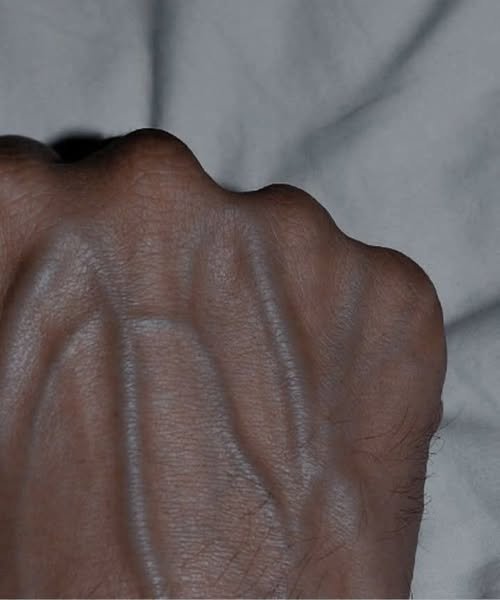
Veins that appear more visible or slightly raised under the skin are a common experience for many people, and in most cases, they are harmless. Vein visibility can change from day to day depending on temperature, physical activity, hydration, and even body position. Warm weather, exercise, or standing for long periods can cause veins to expand slightly as blood flow increases. Aging also plays a role, as skin naturally becomes thinner over time, making veins easier to see. Genetics, body weight, sun exposure, and tight clothing can contribute as well. Often, these changes are simply part of how the body responds to daily conditions.
Sometimes, however, veins may appear unusually swollen, twisted, or accompanied by discomfort. This can happen when valves inside the veins don’t move blood efficiently back toward the heart, allowing blood to collect in certain areas. Over time, this may lead to varicose veins, which most commonly appear in the legs but can also occur in other parts of the body. While varicose veins are usually not dangerous, they can cause aching, heaviness, or mild swelling. Paying attention to new or persistent changes can help you decide when it may be helpful to consult a healthcare professional for personalized guidance.
Several lifestyle and biological factors are known to influence vein health. Long periods of sitting or standing, pregnancy, hormonal changes, smoking, and carrying excess body weight can place additional strain on circulation. Managing these factors may help reduce discomfort and slow progression of vein-related changes. Common supportive measures include staying active, taking short walking breaks during long periods of sitting, elevating the legs when resting, and wearing compression stockings if recommended by a medical provider. In some cases, medical treatments may be discussed for comfort or cosmetic reasons, depending on individual needs.